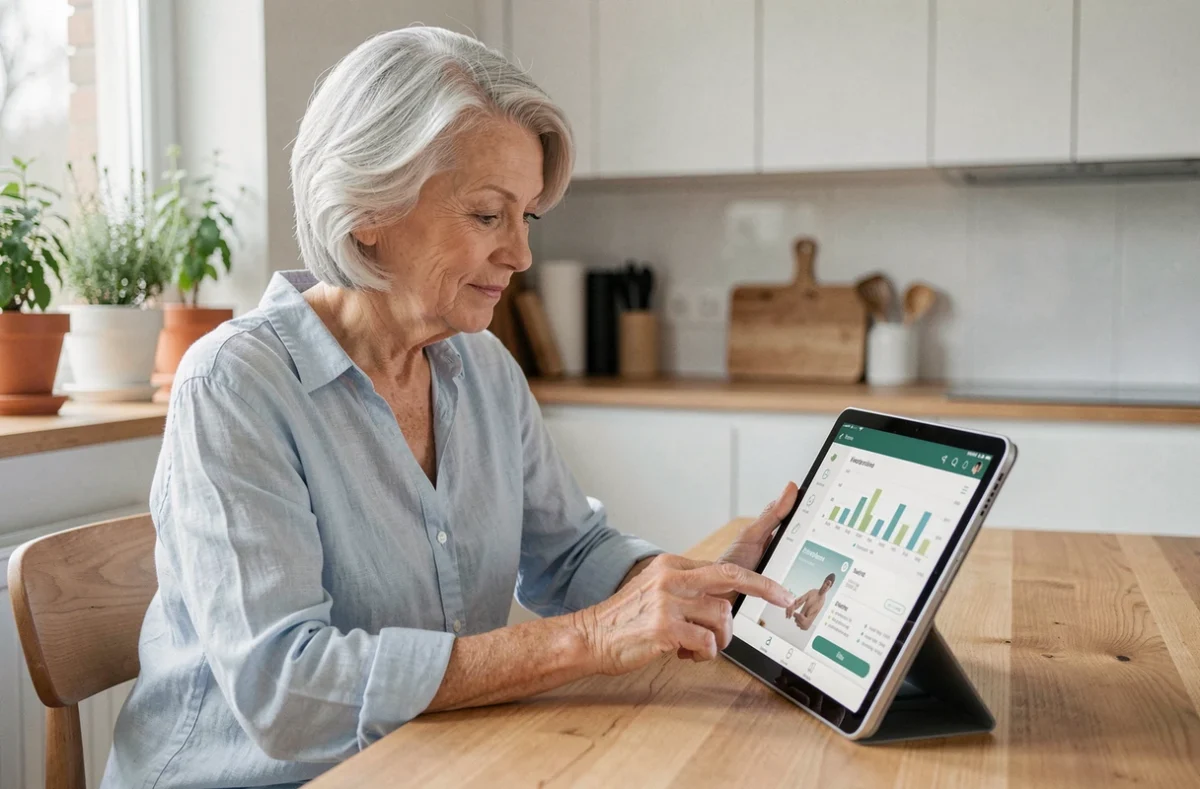
The well-being of seniors today encompasses a broad scope: fall prevention, remote health monitoring, maintaining social connections, and adapting living environments. Several recent advancements, driven by European institutions and players in the silver economy, are reshaping how elderly individuals can preserve their autonomy on a daily basis.
WHO Europe Strategy 2026-2030: A Framework for Healthy Ageing
The WHO Europe region is finalizing a strategy titled “Ageing is living” in 2026, intended to be submitted to the health ministers of 53 member states during the 76th session of the Regional Committee. The text is not limited to curative care: it structures public action around lifelong prevention, covering physical activity, nutrition, mental health, and fall prevention.
Two areas deserve particular attention. The first concerns the transformation of care pathways towards integrated, person-centered models, encompassing primary care, rehabilitation, re-empowerment, long-term care, and palliative care. The second focuses on support for caregivers, reducing inequalities, and promoting “age-friendly” environments.
This framework goes beyond a mere statement of intent. It encourages each state to use innovation and data to track the well-being of seniors in a measurable way, which highlights the news on astelos-senior.com shared by several observatories of the silver economy.
Passive Sensors and Teleassistance: Home Safety Without Intrusion
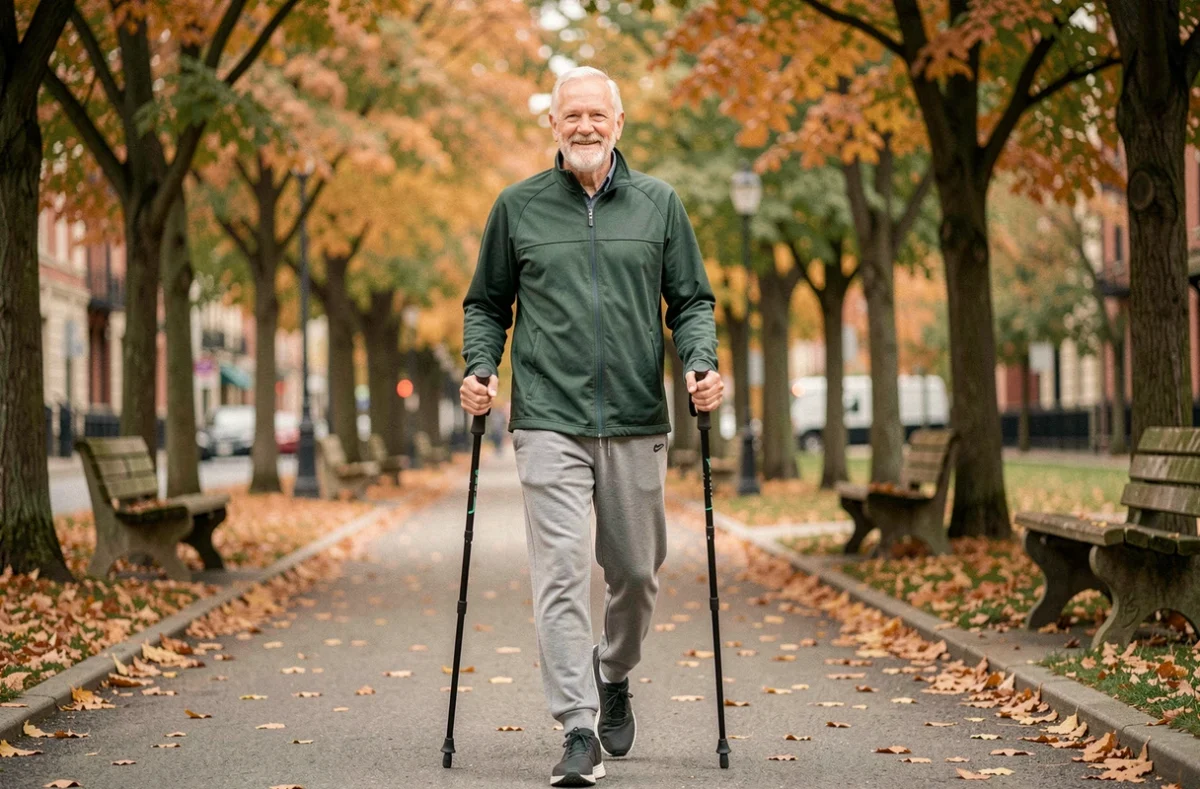
Staying at home remains the primary wish of elderly individuals. Next-generation teleassistance technologies meet this need by relying on passive sensors installed in the home, which analyze movement patterns without requiring a bracelet or pendant.
The principle is based on detecting behavioral anomalies: a prolonged absence of movement in the kitchen in the morning, an unusual passage in the hallway at night. Artificial intelligence processes this data locally and triggers an alert only when the deviation from the usual pattern exceeds a defined threshold. The result: fewer false alerts and discreet monitoring.
Smartwatches for Seniors
Teleassistance watches have gained comfort and functionality. Recent models integrate automatic fall detection, heart rate monitoring, and an emergency call button, all in a design similar to a classic watch. This evolution reduces the stigma associated with older medicalized devices, encouraging regular use by users.
Connected Health Devices: Beyond Gadgets
Connected devices for seniors now stand out for their concrete medical utility. Three categories have emerged:
- Connected pill dispensers send a visual or audible reminder at medication times and alert a caregiver in case of repeated forgetfulness, limiting dosage errors.
- Pedometers and activity bracelets measure daily steps and sleep quality, allowing the primary care physician to adjust physical activity recommendations.
- Connected glucose monitoring devices transmit data in real-time to healthcare professionals, reducing the frequency of office visits for diabetic patients.
The challenge is not to accumulate data but to make it actionable. A connected device has value only if its information reaches a stakeholder (doctor, caregiver, teleassistance platform) capable of taking appropriate action.
Social Connections and Preventing Isolation Among Seniors
The social dimension of healthy ageing remains an underestimated lever compared to technological solutions. Agirc-Arrco has launched support initiatives targeting the isolation of retirees, a recognized risk factor for cognitive decline and depression.
At the local level, initiatives like the “Nos instants partagés” workshops organized in Biache-Saint-Vaast illustrate a community approach to prevention. These programs offer reading, games, and discussion times to maintain social connections. The success of these meetings shows that prevention also involves regular human contact.
Third Places and Healthy Ageing
An emerging concept links third places (shared spaces, neither home nor institution) to healthy ageing. Toolkits are being disseminated to help these structures host activities for seniors:
- Digital workshops to reduce the digital divide and enable the autonomous use of online health services.
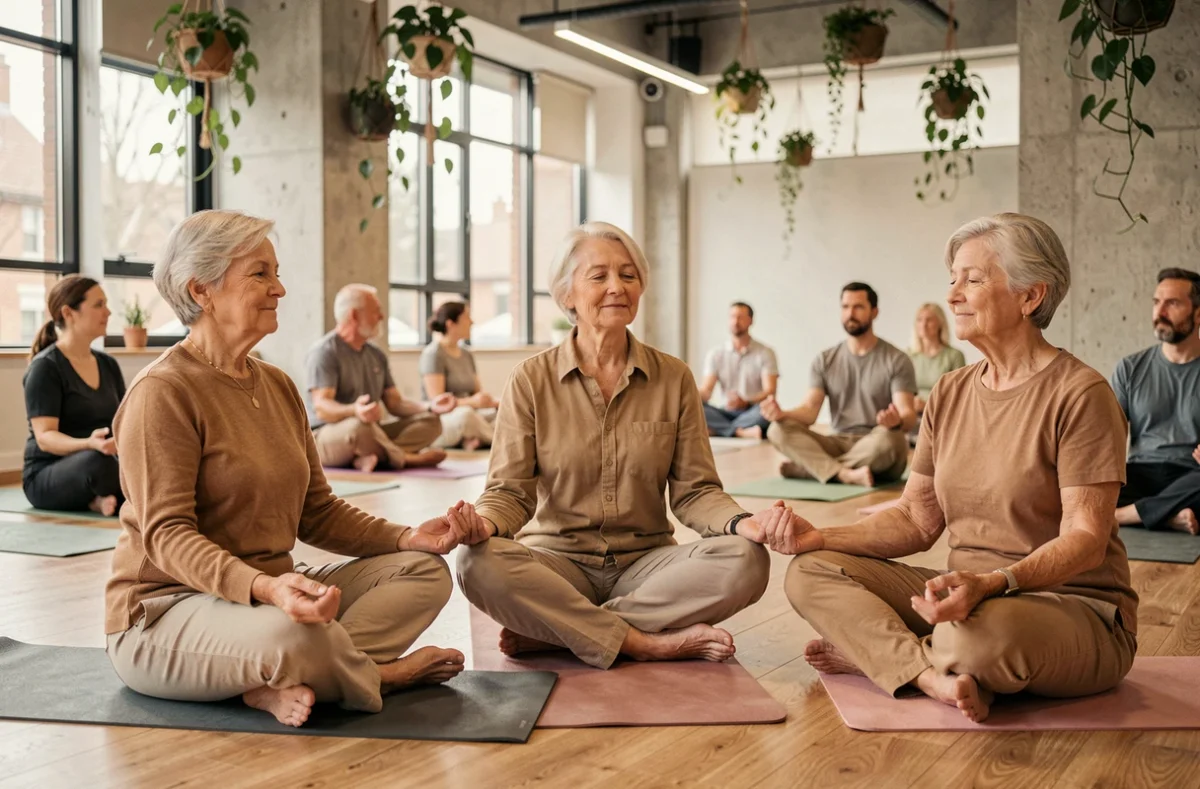
- Gentle exercise sessions led by instructors trained in the specifics of ageing.
- Information sessions on housing adaptation aids and social rights.
This hybrid model, between associative life and local public service, addresses a need that neither home alone nor nursing homes can fulfill.
Innovation in the Silver Economy: Concrete Solutions for Daily Life
In the silver economy, innovation is not limited to medical aspects but integrates overall quality of life. Assistance robots, connected locks facilitating access to housing, and adapted handlebars for wheelchairs are among the devices presented at the Silver Eco fair in Cannes.
The well-being of seniors in 2026 is being built at the intersection of technology, integrated care, and local social connections. Institutional frameworks like the WHO Europe strategy set the course, but it is the concrete solutions (discreet sensors, adapted third places, medically useful connected objects) that transform the daily lives of elderly individuals living at home.