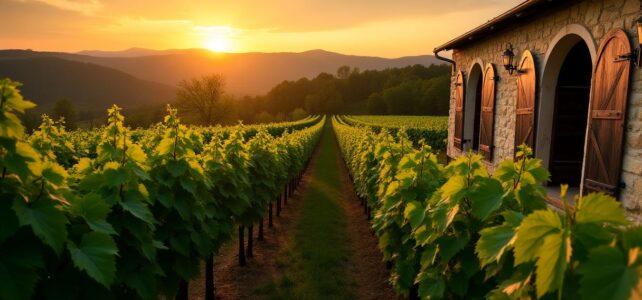
Burgundy red wine is not just a drink; it is an experience to live, savor, and explore. Nestled in the east of France, the Burgundy region is the birthplace of some of the most renowned wines in the world. Each sip of this precious liquid tells a story of centuries-old traditions, magnificent terroirs, and noble grape varieties. Wine lovers from around the globe agree that the complexity and elegance of this nectar make it an undisputed reference in the wine world. But what makes Burgundy red wine so exceptional? What are the subtleties hidden behind each bottle?
A story rooted in time
The roots of Burgundy red wine run deep in history. For centuries, this region has been shaped by winemaking traditions that have evolved over time.
- Cistercian monks in the Middle Ages played a crucial role in the development of Burgundy viticulture. By establishing enclosed vineyards, they laid the foundations for the winemaking excellence we know today.
- Over the centuries, the Dukes of Burgundy also contributed to the fame of the region’s wines by imposing strict quality standards and promoting wine trade on an international scale.
- The Burgundy terroir, with its mosaic of soils and climates, offers incredible diversity that is reflected in the unique character of each wine. Each village, each plot tells a different story.
Iconic grape varieties
Burgundy is primarily known for two grape varieties that are the very essence of its red wines.
Pinot Noir, a noble and delicate grape, thrives on the hills of the Côte d’Or. Its ability to express the terroir is unparalleled, producing wines with complex aromas of red fruits, underbrush, and spices.
In contrast, Gamay is mainly grown in Beaujolais, a region south of Burgundy. Although often less prestigious than Pinot Noir, it produces charming and fruity wines, appreciated for their lightness and freshness.
The climats: the art of diversity
The term climat in Burgundy refers to a unique concept that designates small vineyard plots, each with its own personality. Each climat offers wines a singular aromatic palette, due to subtle variations in soil, exposure, and microclimate.
Among the most famous are Romanée-Conti, Chambertin, and Clos de Vougeot, names that evoke wines of rare excellence. The climats are not just a matter of geography; they are a testament to a know-how passed down from generation to generation, where man and nature work in harmony to create wine masterpieces.
Food and wine pairings: subtlety and refinement
Pairing a Burgundy red wine with a savory dish is a wholly sensory experience. With its delicate aromas and elegant structure, it can elevate a multitude of dishes.
- Pinot Noir, for example, pairs perfectly with roasted poultry, grilled meats, or aged cheeses. Its fruity and spicy notes enhance the flavors of these dishes.
- For bolder pairings, try a Burgundy red wine with Asian cuisine dishes. The richness of the spices and the intensity of the flavors harmoniously blend with the complexity of the wine.
- Dishes based on mushrooms, with their earthy aromas, pair wonderfully with the finesse and depth of Côte de Nuits wines.